
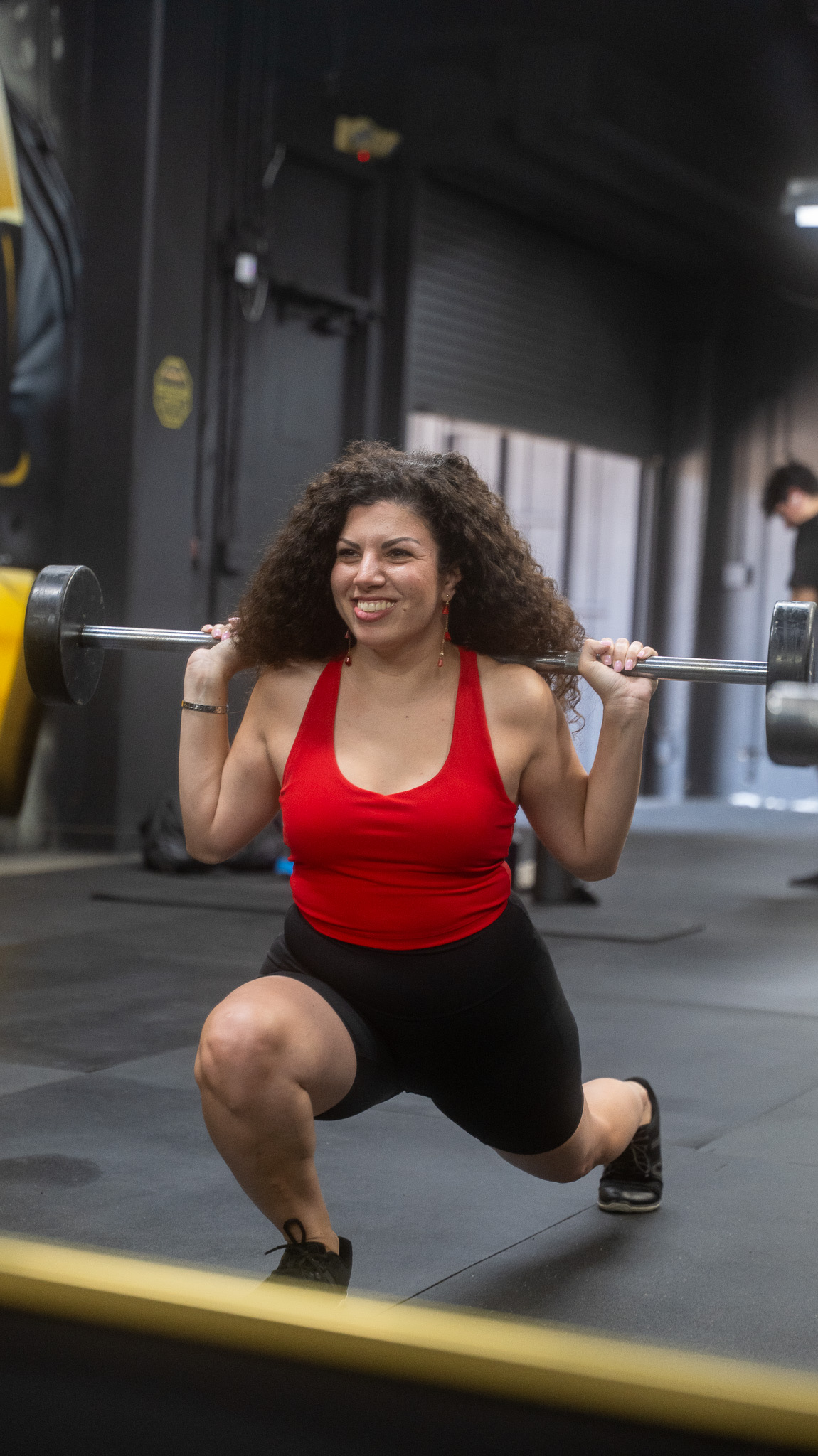
Returning to Sports After Injury: 5 Things You Need to Know Before You Go Back
Returning to sports too soon after an injury is one of the most common mistakes athletes make. Here are 5 things you need to know before you go back.
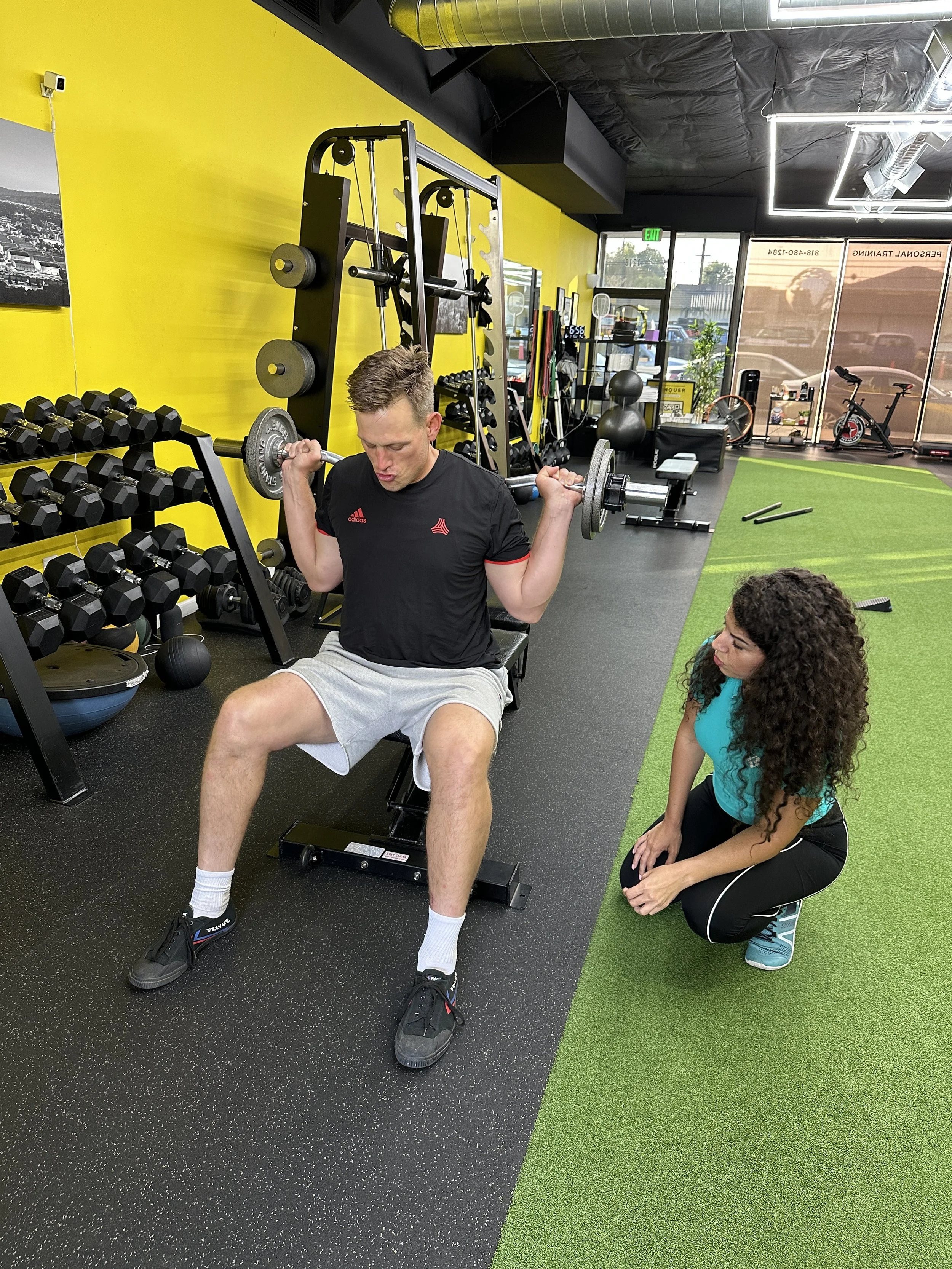
From 3 Knee Surgeries to Running Spartan Races: John's Knee Recovery Story
After 3 knee surgeries and a decade of chronic pain, John found a training approach that actually worked. Here's how he went from barely getting through a workday to running Spartan races.
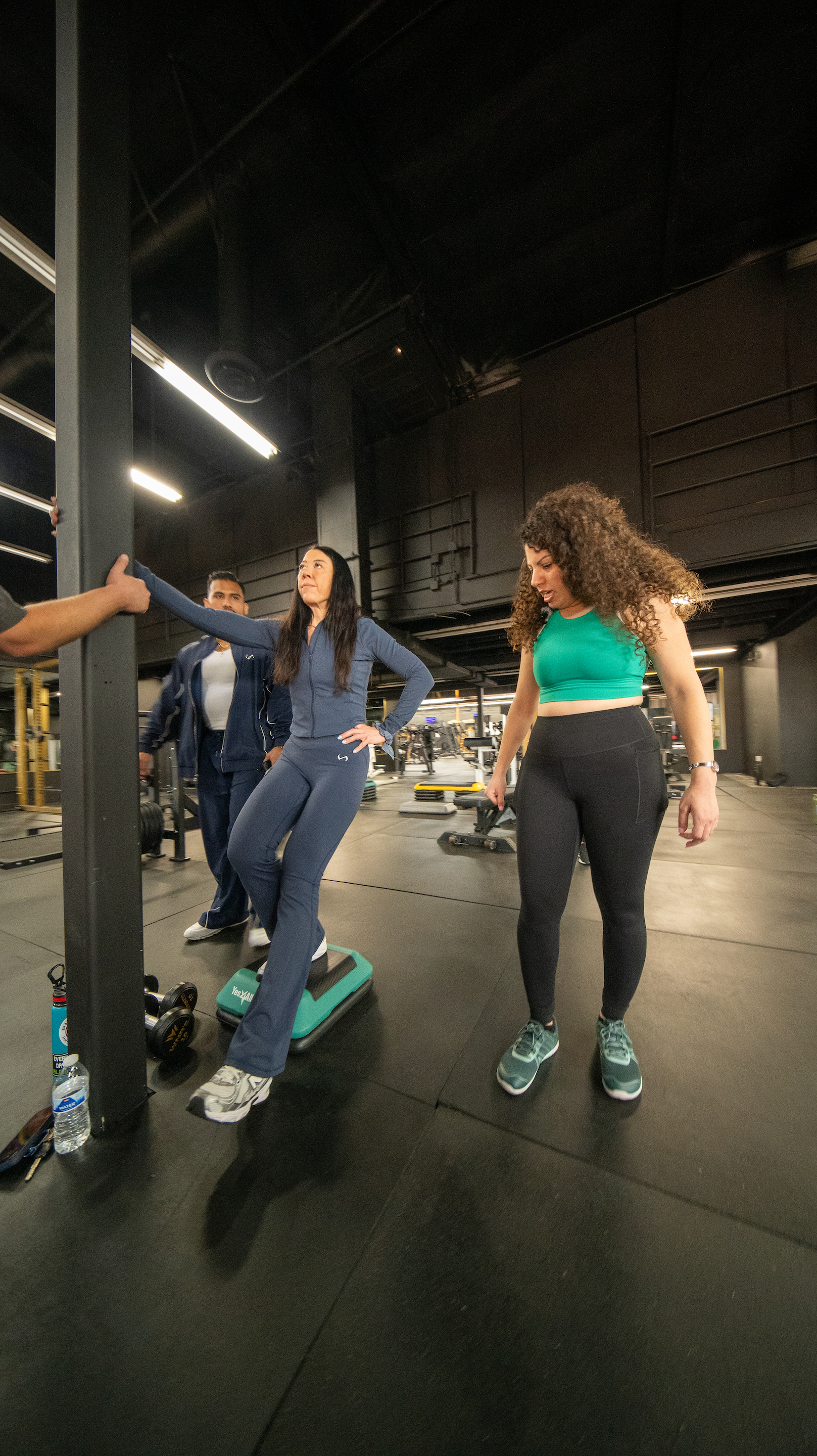
How to Prevent Overuse Injuries: 5 Tips Every Competitive Athlete Needs to Know
Overuse injuries are almost always preventable. Here are 5 tips every competitive athlete needs to train smarter, recover better, and stay in the game long-term.
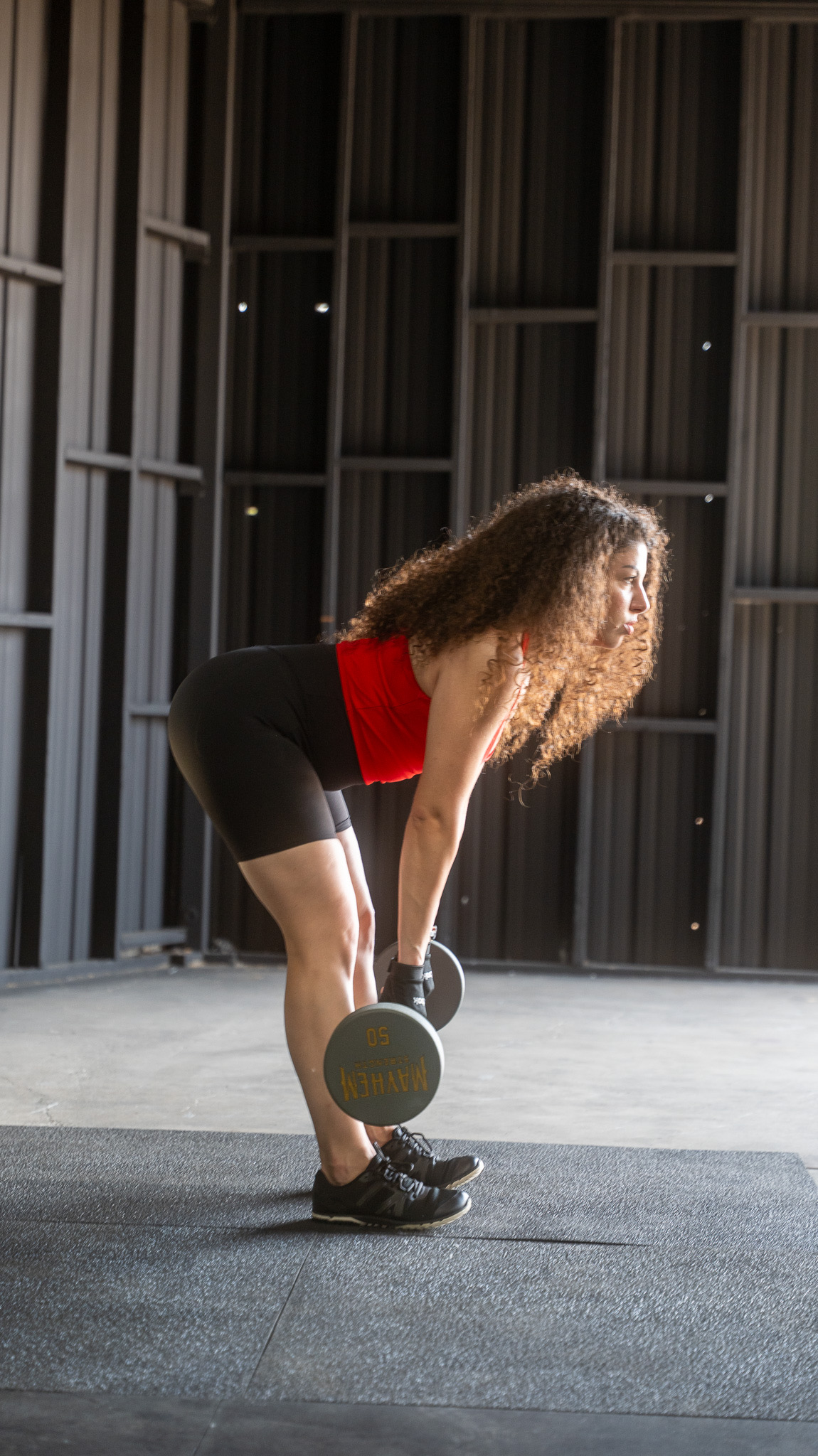
How to Strengthen Your Hamstrings and Prevent ACL and Knee Injuries
Weak hamstrings are one of the leading causes of ACL injuries. Here's why hamstring training matters — and the exercises that actually build the strength to keep you training.
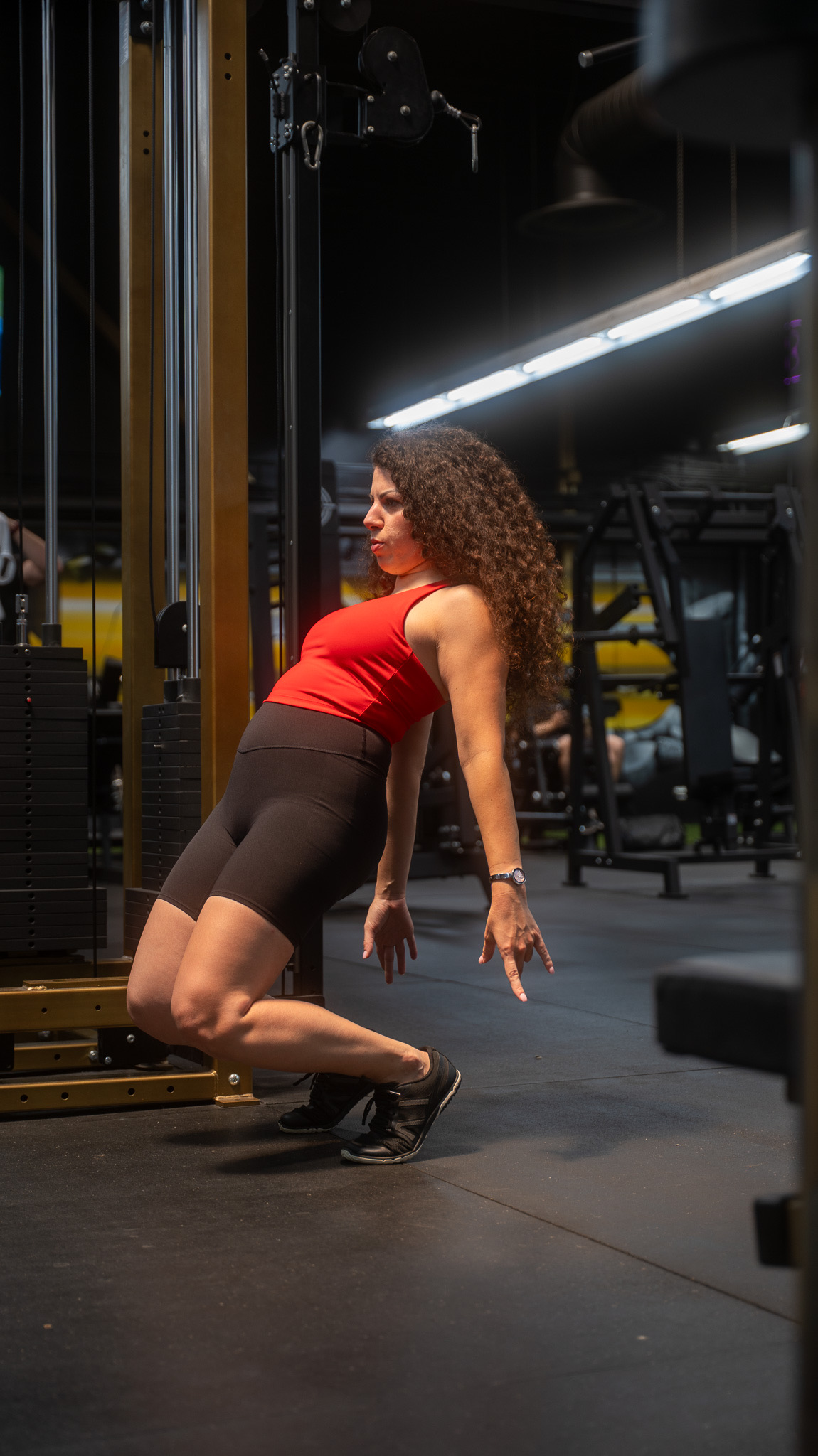
Why Mobility Training Should Be Part of Every Athlete's Routine
Mobility is strength, flexibility, and control — and if you're not training it, you're losing it. Here are 5 reasons it needs to be part of your routine.
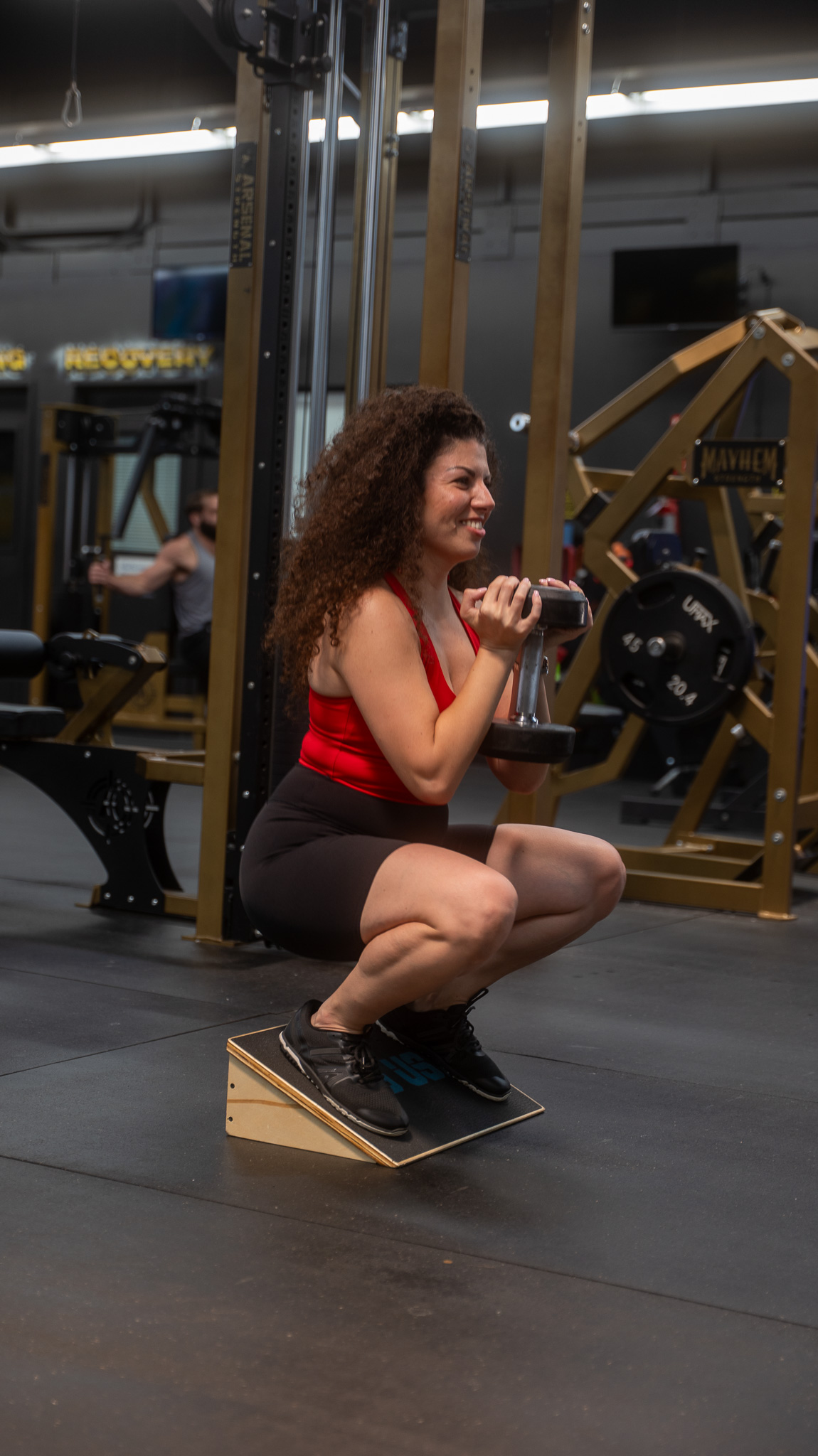
Why Training Legs Is Non-Negotiable: 6 Reasons Your Future Self Will Thank You
Skipping leg day is costing you more than aesthetics. From longevity and brain health to injury prevention and cardiovascular fitness — here's why strong legs are non-negotiable.
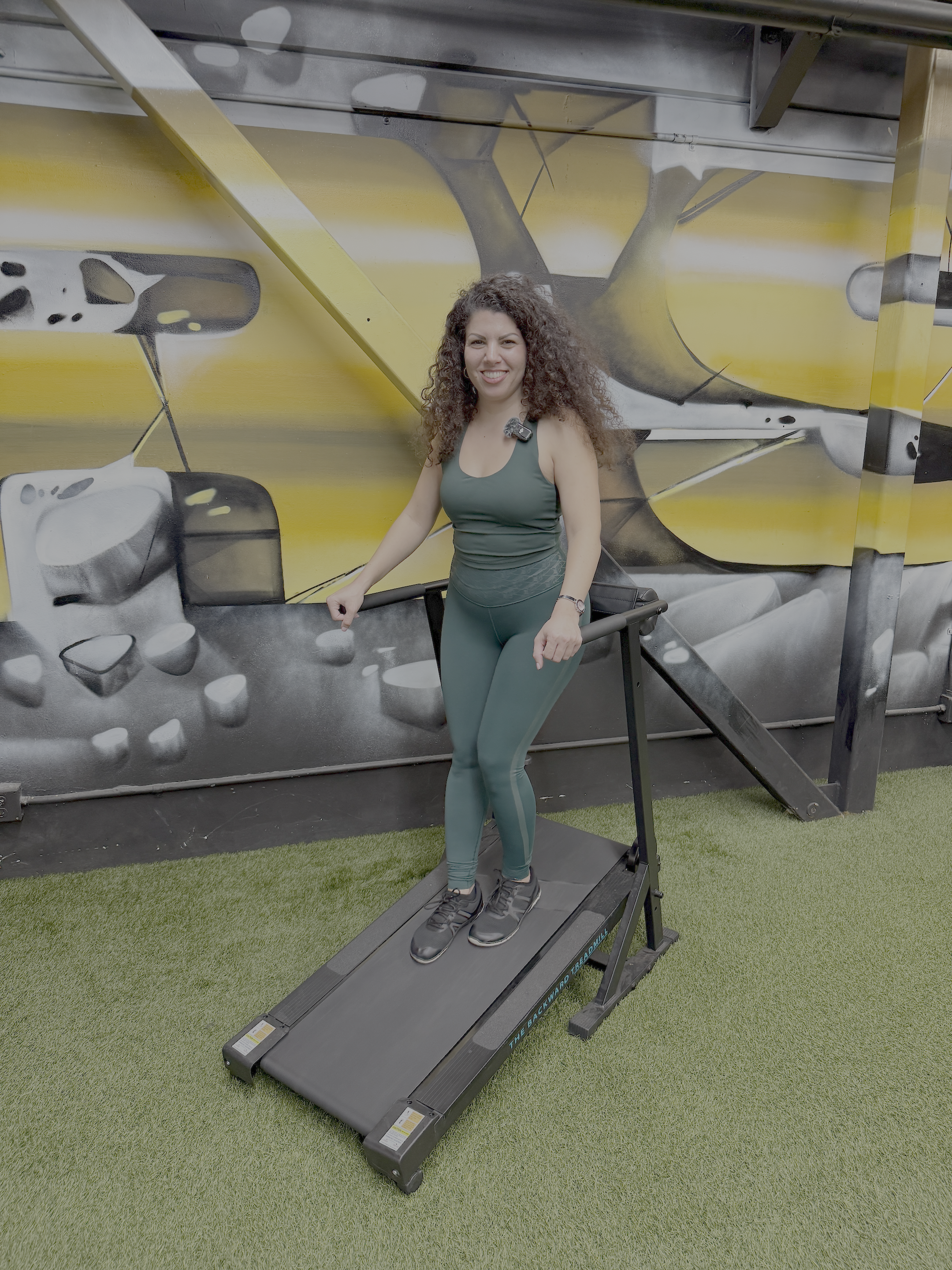
Why Your Knees Hurt (And It's Not Your Knees): 5 Lower Leg Areas to Strengthen for Knee Pain Relief
Knee pain slowing you down? The problem might not be your knees. Weakness in your feet, ankles, tibialis, calves, and patellar tendon creates a chain reaction that puts excessive load on your knees. Here's how to fix it from the ground up.
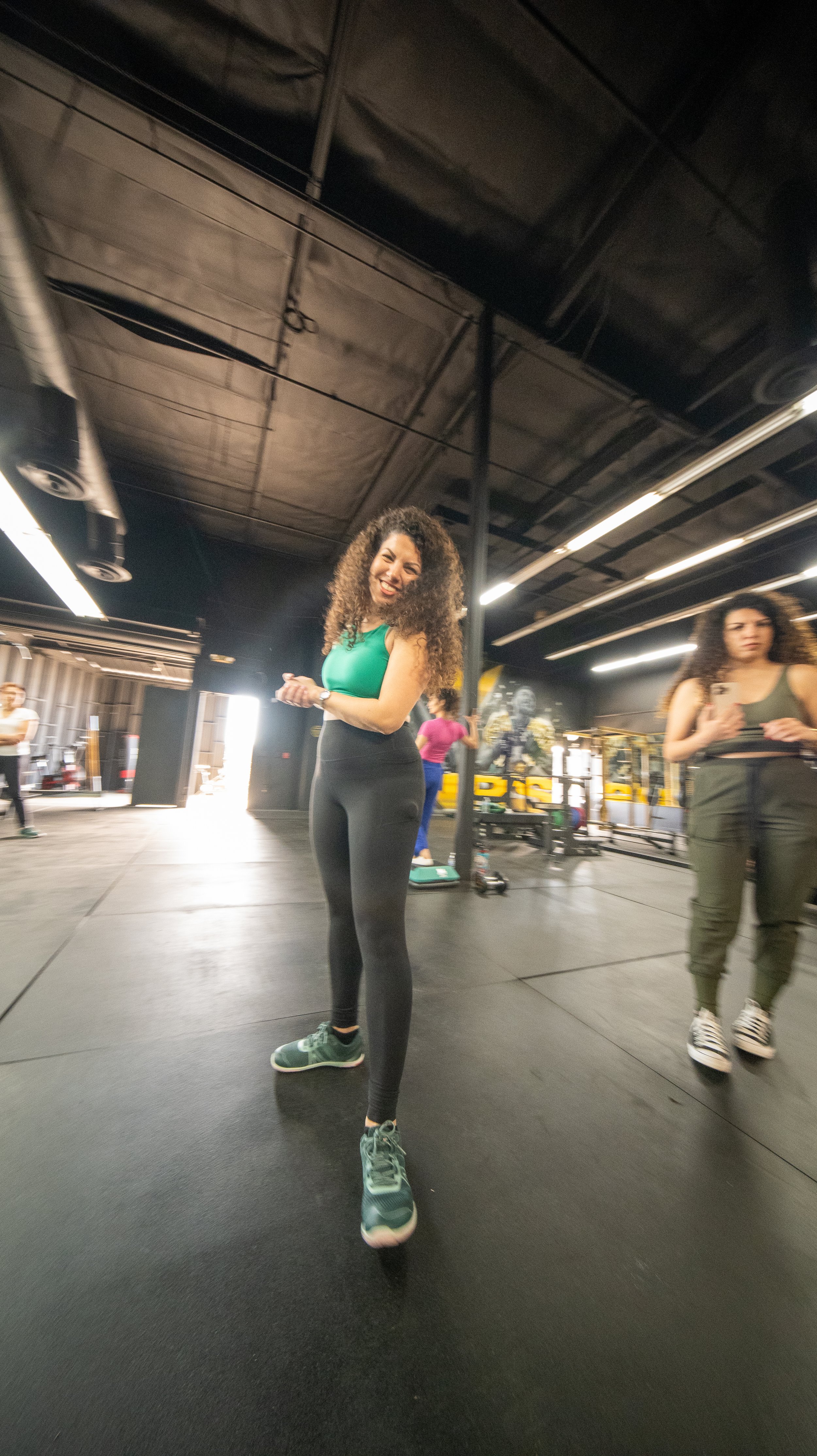
Stress, Sleep, and Emotions: The Missing Piece of Injury Recovery
Doing all the right exercises and still not healing fast enough? Stress, sleep deprivation, and emotional strain are physically slowing your recovery — and most people never address them. Here's the full picture of what it actually takes to heal.
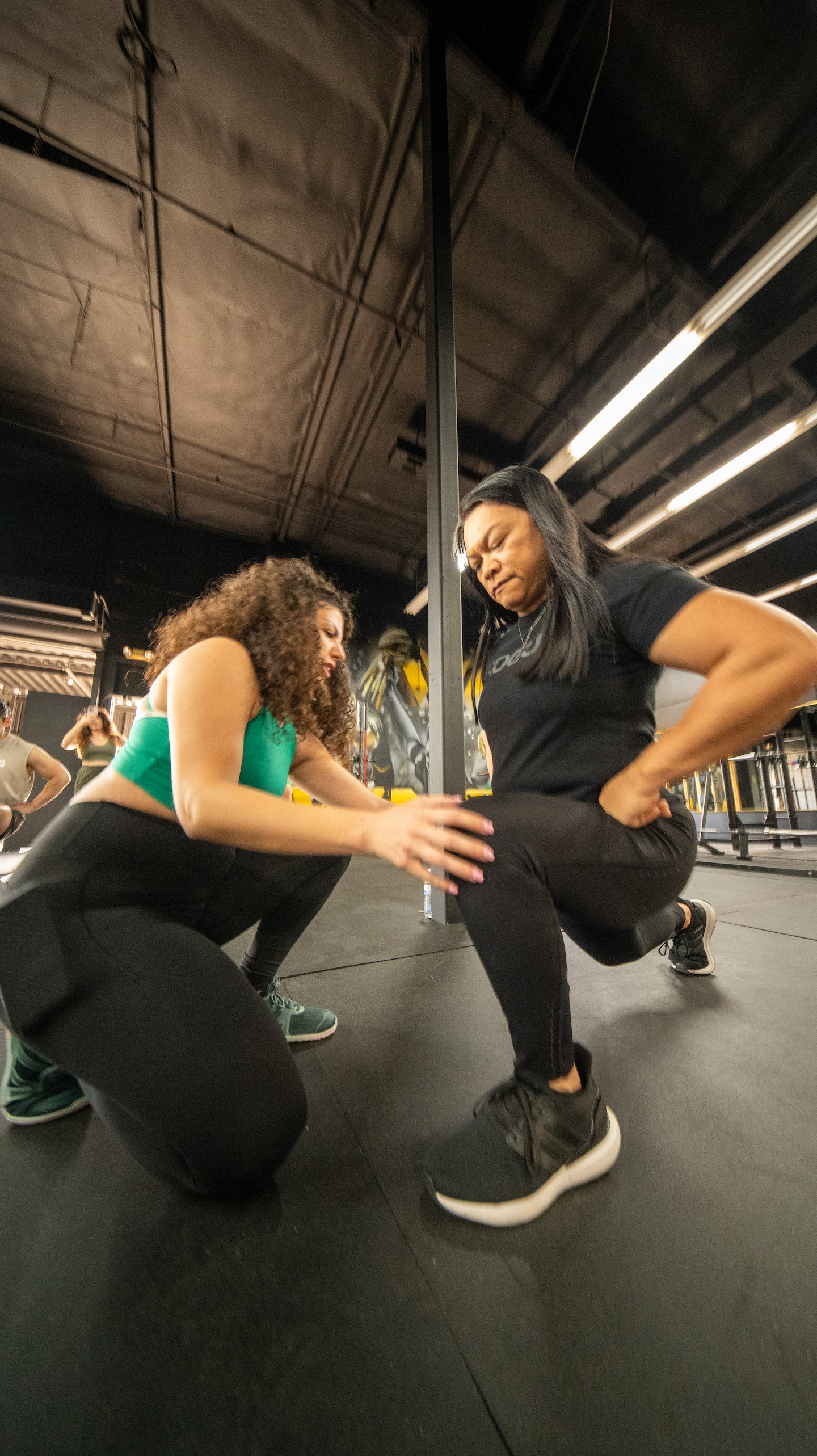
How to Reduce Patellar Tendonitis Pain: 7 Tips That Actually Work
Patellar tendonitis pain doesn’t have to be permanent. Discover 7 evidence-backed tips to reduce knee pain and rebuild strength — from someone who’s been through it.

The Science of Knee Pain: Why You Don’t Have to Live With It
Knee pain is one of the most common complaints among people of all ages. Whether it’s from a sports injury, chronic overuse, or simply the wear and tear of everyday life, knee pain can have a serious impact on your quality of life. But it doesn’t have to be something you live with forever. Understanding what causes knee pain, how to assess the problem, and how strength training and mobility work is key to both rehabilitation and long-term knee pain prevention.